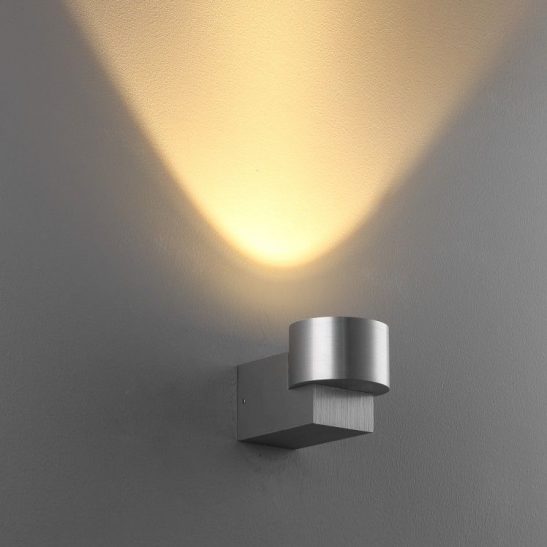
uplighters
Indoor wall uplighters are the perfect way to enhance your architecture and create a focal point. From wall grazing lights to more direct beams of narrow illumination, these are versatile lights that take advantage of the verticality of the space.
At Ultra Beam Lighting, we offer interior LED wall uplighters for any space. Shop our wide selection of uplights to complete your home today.
Showing all 7 resultsSorted by price: low to high
-
5 Watt LED Brushed Aluminium Indoor Wall Uplight
£73.46Original price was: £73.46.£55.10Current price is: £55.10. (Excl. VAT £45.92)Add to basketRated 5.00 out of 5
Shop with Confidence
What Are Indoor Wall Uplighters?
An interior uplighter wall lamp is a kind of light fixture that is designed to shine up from a place low on the wall. Such upward direction creates soft illumination that can contribute to the atmospheric direction of the space as much as it can create a focal point.
By guiding light upwards toward the ceiling, it will show off the vertical space in the room. Using the indirect light, you can soften the illumination of the room and create more understated lighting.
They are often installed closer to the floor, but some wall mounted uplighter fixtures can be installed at eye level or higher. Regardless of where you place them, their gentle illumination will enhance architectural features without detracting from other areas in the room.
Benefits of Interior Wall Uplighting
Having interior wall lighting can enhance both the aesthetic and the functional elements of the space. By light upwards with wall up lights, indoor ambiance becomes softer and less direct. It won’t feel as harsh as direct lighting and can therefore make the space feel warmer and more inviting.
You can also use these lights to emphasize the architecture in the space. Casting light upward helps define details in the ceiling or the wall textures while also accentuating the height of a room. In smaller rooms, it may help give the illusion of being bigger than it is.
Uplight fixtures can also reduce glare, which can make the room a more comfortable place to be. Beyond that, it can reduce visual clutter, freeing up ceiling and floor space without sacrificing the illumination level.
How to Choose the Right Interior Wall Uplighters for Your Space
When shopping for uplighters, indoor aesthetic and style should be taken into account. You want to select a fixture that matches the existing decor and works well with the layout itself. This ensures seamless integration that won’t clash with what you already have going on.
You should take a moment to measure the height of the wall so you know the best area to mount the wall lights. Be sure you don’t place lights too high or close to the corners so that you don’t obstruct the illumination.
Take into account the lumen output, colour temperature and beam angle as well. If you want adjustable brightness, ensure that you are choosing lights that have dimmable capabilities.
What Height Should You Mount Them?
The height at which you place the modern wall uplighters matters. It plays a large role in how effectively you are able to light the space. For example, hanging them too high can make the lights look lost to the ceiling. Hanging them too low may make the fixture feel obstructive or intrusive.
Generally speaking, it is recommended that you hang the lights between 1500 and 1700 millimetres from the floor. This will place the light just above eye level, while diffusing downward to avoid glare and other sorts of visual disruption.
That said, different rooms may require different mounting heights. For example, living rooms benefit from heights of 1600 to 1700 millimetres, while hallways work best between 1500 and 1650 millimetres. In a bedroom, 1500 to 1600 millimetres is recommended.
When mounting, consider the different features of the wall. Avoid mounting them right beneath ceiling mouldings or cornices so you aren’t obstructing the spread of light. Be sure to leave at least 300 millimetres of clearance below the ceiling and ensure that there is symmetry in the way you hang them.
How to Use Interior Wall Uplighting with Other Lighting in the Room
When incorporating uplighter wall lights, indoor lighting in other areas of the room should be taken into account. It is best to incorporate these lights as a part of a layered lighting scheme. This will ensure balance and even illumination while providing ample visual interest.
Instead of relying on one or two fixtures, layer the lights together. The three main light layer types include ambient, accent and task lighting.
Ambient light provides the main illumination and lays the foundation for the other two light styles. Task lighting is used in places that need dedicated illumination for activities like reading or cooking. Finally, accent lighting is there to create a mood or accentuate certain elements.
To figure out what light should go where, begin by breaking the room up into lighting zones. The ambient zone can be created partially with uplighters to generate soft background illumination. In the task zone, add focused lighting such as pendant lights, under-cabinet strip lights or desk lamps. With accent lighting, you can highlight artwork with picture lights or architectural elements with spotlights.
You should also be sure you are using consistent colour temperature across the room. Having mismatched colour temperatures with cool and warm colours can cause visual clashing and be uncomfortable to look at.
Choose warm white light between 2700K and 3300K for a more cosy, inviting feeling. Cool lights should be chosen for modern, functional spaces.
Ways to Avoid Shadows and Uneven Light Patterns
Alongside hanging the wall uplighters at the right height, there are other ways you can ensure that the light is evenly spread throughout the space. Be sure you are choosing the right beam angle, as a mismatch between the wall size and the beam angle can cause overly bright spots, or even dark patches.
You should also take into account the colour of the wall, and the texture. Don’t place uplights too close to rough brick or deep panelling unless you are intentionally trying to create a wall grazing effect. Also, avoid any obstructions above the fitting so it doesn’t block off the beam or create any abrupt cutoff lines.
An easy way to prevent uneven lighting is to choose fixtures that have integrated reflectors or diffusers. These do the work of reducing harsh glares and softening the beam angles right out of the gate. Opt for fixtures that have frosted lenses, and avoid bare LED lights unless you are going for that sharp sort of look.
How to Use Interior Wall Uplights to Highlight a Textured Wall
LED wall mounted uplighters are a solid choice to make when you want to show off your accent walls. Whether it is wood, exposed brick, stone, or any other textured material, LED wall uplighters are there to help.
Choosing narrow beams of light and shining them upwards can create sharp, defined shadows for a more dramatic look. Wider beam angles will provide a more diffused look, casting more subtle shadows than narrower beams.
The light fixtures should be strategically positioned to graze the wall instead of washing it with flat illumination. The angle that you place it at will enhance the shadow and show off the tactile elements of the wall. Just be sure you don’t place them too close to the ceiling otherwise the beam may flatten and now show the fixtures.
Mounting the lights lower between 1200 and 1500 millimetres are best for taller feature walls. By offsetting the placement about 300 millimetres from the wall, you can create interest by way of asymmetrical highlights.
How you space them also matters. Control the rhythm of the light by placing uplighters every 800 to 1200 millimetres across brick and stone walls. For patterned or panelled surfaces, uplighters should be aligned with horizontal and vertical divisions.
Why Use LED Wall Uplighting
The kind of LED uplighter wall lights that you choose matters, especially when it comes to the bulbs. Most contemporary wall uplighters will prioritise LED lighting over halogen or other traditional bulbs, and for good reason.
One of the biggest draws of LED light in particular is the energy efficiency of it. LEDs use up to 80 percent less energy than their traditional counterparts, which may lower energy bills over time. It may also lessen your environmental impact by reducing the amount of energy you are using.
LEDs last much longer than halogen bulbs, which only go for about 1,000 hours before they need to be replaced. LED lights can shine for tens of thousands of hours before burning out. The long life will save you effort, time and upfront costs on replacing the lights as often.
LED bulbs are also versatile. From brighter living room wall uplighters to dimmer, warmer bedroom wall uplighters, LED bulbs give you a lot of wiggle room when it comes to the type of light they shine.
Choose from a wide variety of colour temperatures, lumen counts or brightness levels, and beam angles. This way, you can create a lighting design that is perfect for each room fo the house.
Consistent light quality is another draw of LED light. Where older, more traditional bulb styles sometimes need to warm up before turning on and may even flicker, LEDs turn on instantly and provide constant light.
They also offer a higher CRI, or colour rendering index. A high CRI will provide consistent, vivid lighting that more accurately shows the colours of the items that it shines upon.
How to Choose the Best LED CCT for Interior Uplight Fittings
Among the many considerations you should make for your interior wall lights, CCT is one of the most important. It can dictate the mood and functionality of a space and even influence one’s perception of it overall.
CCT, or colour correlated temperature, is how the warmth or coolness of a light is discussed. Oftentimes simply referred to as colour temperature, the CCT of interior wall up lights and other fixtures is measured in Kelvin units. The higher the number, the cooler the light will be. The lower the number, the warmer the lights will be.
Different colour temperatures have their places depending on what you wish to achieve with your light. Warmer lights are better for creating a cosy, more intimate environment for relaxation and socialising. Cooler lights work better in areas that need a sort of clean functionality, such as in offices and kitchens.
When choosing the colour temperature in your space, take into account the texture and material of the wall. Walls made of terracotta or timber work best with warm colour temperatures that draw out their earthy tones. For slate material, concrete and other such materials, cooler or neutral white lighting will create a sharper contrast to show off the textures.